Shaw Clement
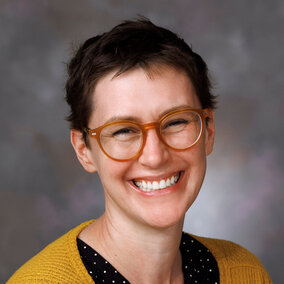
Shaw Clement will be honored with the Young Alumni of Distinction award. Dr. Clement earned their Ph.D. in stress physiology from University of Nebraska-Lincoln’s Department of Animal Science in 2022, and is a faculty member in the Veterinary Medicine Program at the University of Nebraska. Shaw contributed important studies in endocrine anomalies in beef cows and heat stress in sheep. As a faculty member, they have continued exploratory research on the effectiveness of teaching modalities and have been a proponent of student mental wellness. In addition, Shaw and spouse Joshua are founders and operators of The Farm: Senior Dog Sanctuary, a unique non-profit that provides late-life canine housing and care. Dr. Clement is a perfect template for leveraging God-given skills and talents to give back through work and philanthropy, and is a unique example of animal science success.
Sandy Johnson
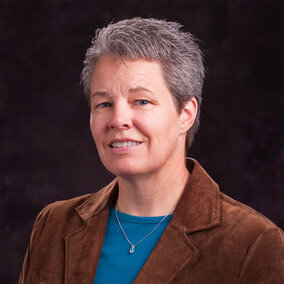
Sandy Johnson will be honored with the Undergraduate of Distinction award. Dr. Johnson earned a B.S. in Animal Science from University of Nebraska-Lincoln, M.S. in Animal Science from the University of Missouri and Ph.D. from West Virginia University. In 1998 she moved to Kansas State University where she is ANR Program Leader Coordinator & Extension Beef Specialist. She has published 34 peer-reviewed papers; 34 Extension Reports; and 94 popular press articles. Dr. Johnson was named Outstanding State/Regional Extension Professor for Kansas State Research & Extension in 2020. She serves as a national Extension leader for the multi-state Beef Reproductive Task Force (BRTF) that develops and disseminates estrus synchronization and artificial insemination protocols to more than 5,000 producers. In 2013, BRTF received the USDA NIFA Partnership Award, which is one of the highest honors awarded by USDA NIFA.
Douglas Burrin

Douglas Burrin, M.S. 1983 and Ph.D. 1987, will be honored with the Graduate of Distinction award. Dr. Burrin has spent the last 36 years as a Research Physiologist with USDA-ARS Children’s Nutrition Research Center. Dr. Burrin obtained degrees in animal science at Purdue University and University of Nebraska-Lincoln. During his Ph.D. studies at Nebraska, he studied ruminant nutrition with Dr. Bud Britton. He completed a postdoctoral fellowship at the USDA-ARS Children’s Nutrition Research Center in Houston where he is currently appointed as a Research Physiologist and Professor of Pediatrics at Baylor College of Medicine. Dr. Burrin is recognized for his knowledge and expertise in the fields of human nutrition, metabolism, and gastroenterology. Dr. Burrin has been a leader in use of pig as a translational animal model of human pediatric nutrition and gastroenterology. He has also made important contributions in understanding how parenteral nutrition and lipid emulsions impact intestinal adaptation and liver disease. He is author or coauthor of 242 peer-reviewed journal articles. He also has been invited to write 38 review articles and 25 book chapters. During his time at Children’s Nutrition Research Center, Dr. Burrin has supported projects that recruited in excess of $13 million. He has mentored over 60 postdoctoral fellows and graduate students. He has received numerous national awards for his research including the USDA-ARS Distinguished Senior Scientist of the Year Award.
U.S. Meat Animal Research Center

The U.S. Meat Animal Research Center (USMARC) will be honored with the Distinguished Service Award. USMARC and University of Nebraska-Lincoln have been intimately joined by a common purpose of improving livestock industries through research and discovery. USMARC is home to large and deeply characterized populations of beef cattle, swine, and sheep. Data from these populations have generated numerous publications with joint authorship among University and USMARC scientists over the past several decades and have been leveraged in successful federal grant applications by Nebraska scientists. As important as the data contributions, the human capital that USMARC possesses in terms of their research scientists has been instrumental in developing new and innovative solutions to complex questions. Through their formal research internship program and willingness to serve on graduate committees, research scientists from USMARC have played a critical role in the education of future scientists.