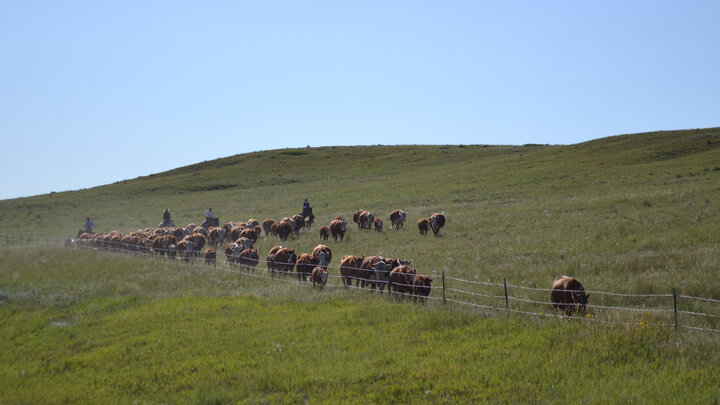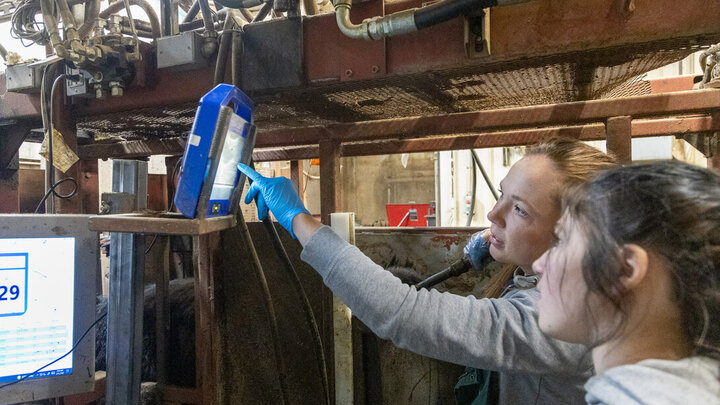
Beef Quality Assurance, a program developed by cattlemen in cooperation with the U.S. Department of Agriculture, is central to ensuring beef products are raised with animal welfare, food safety and responsible management in mind. In Nebraska, veterinarians are directly involved in that work, helping producers apply research-based practices to their operations, which ultimately affects what reaches the consumer.
Sierra Rush, DVM, is one of those veterinarians. Through her work with feedlot and cow-calf operations through Rice Veterinarian Services in Broken Bow, Nebraska, Rush is involved in Beef Quality Assurance training. This allows her to work directly with producers to improve cattle care and management practices.
Veterinarians are the middlemen, really,” she said. “We work with the producers, and then we work with Nebraska BQA, and we’re given that research on how best we can use husbandry skills to advance care at the production level.
Rush said her involvement in BQA stems from seeing how closely animal care and consumer trust are connected.
BQA boosts public confidence by letting consumers know “that we are doing everything we absolutely can do at each operation to make sure welfare is top priority,” she said.
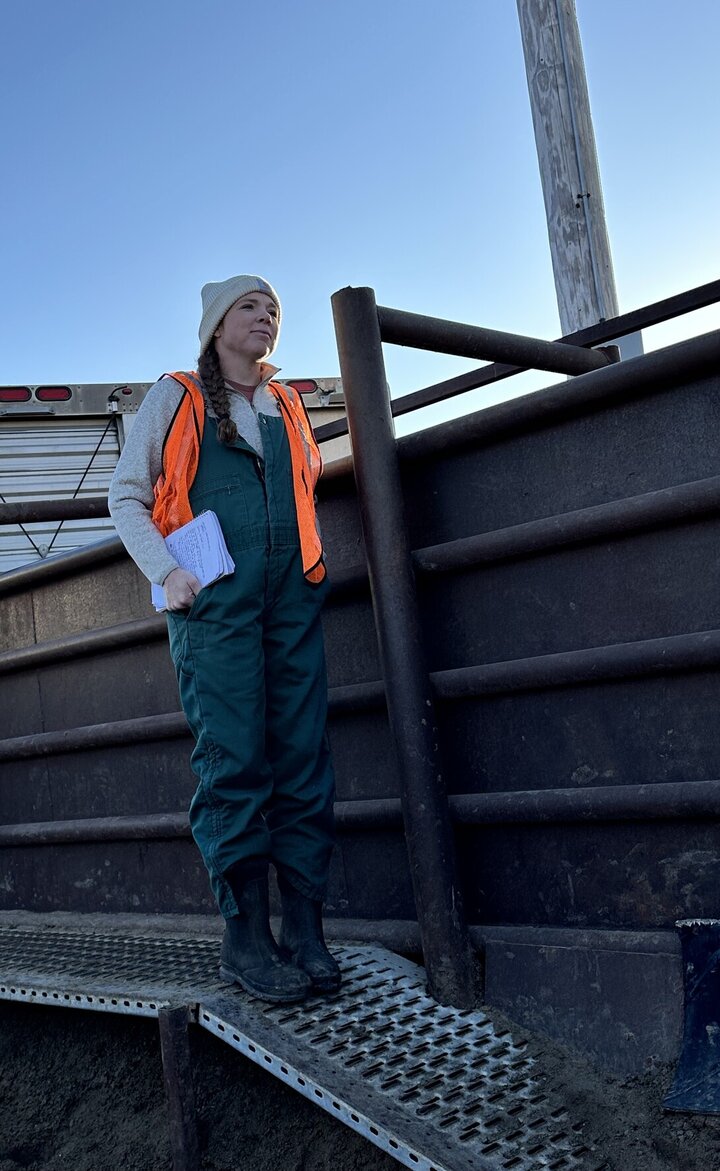
As a veterinarian, Rush brings research-backed knowledge and hands-on experience into BQA trainings. She uses research to explain why certain practices matter, while helping producers understand how those practices fit into daily operations.
By using research to support BQA practices, Rush helps producers understand that the program is not about meeting minimum requirements but, rather, about improving consistency and accountability across the beef supply chain.
Rush’s trainings focus on key BQA areas including animal behavior and handling, herd health management, biosecurity, record keeping, emergency action planning and transportation. She also incorporates mobility scoring and handling discussions that relate directly to cattle condition prior to transport, an important factor in both animal welfare and beef quality.
She often addresses BQA principles when visiting an operation, helping producers see how small changes can improve outcomes.
“When we’re working cattle, I’m not afraid to kind of have a conversation when cattle aren’t flowing down the alley very well,” said Rush, a University of Nebraska–Lincoln alumna.
“Like, how about we do it this way?” That approach has helped build trust and has led to a strong number of producers returning to her BQA clinics. Many attend not only to maintain certification but also to better understand how research-based practices could improve animal care.
Rush is especially focused on supporting young producers and employees who may be newer to the industry.
When young producers think of BQA, they think of the general, typical things like where to give shots or hot shot use, ” she said. “But there’s so much more with the program.”
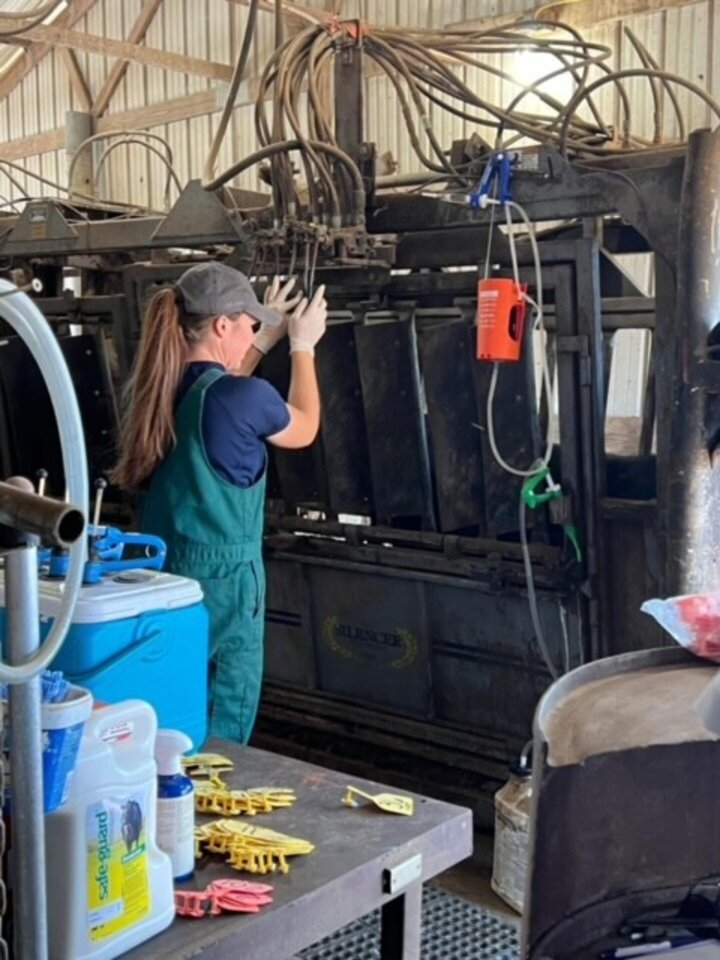
After BQA trainings, Rush often sees management changes that reflect the principles of BQA.
Examples range from “the smallest things like how to mix a vaccine, to producers calling me to sit down and help them create a biosecurity plan,” she said.
Rush also serves as a trainer and member of the newly formed Nebraska BQA advisory board. She said the program has historically been more focused on feedlot operations, but she sees it continuing to expand across all sectors of the industry as operations switch over to younger people.
By connecting research to daily cattle care, veterinarians like Rush help ensure Beef Quality Assurance remains an effective tool for producers and a source of confidence for consumers.